
Hitfjell Loop
Cycling Route
Route Information
Season: June – October
Distance: Approximately 17 km
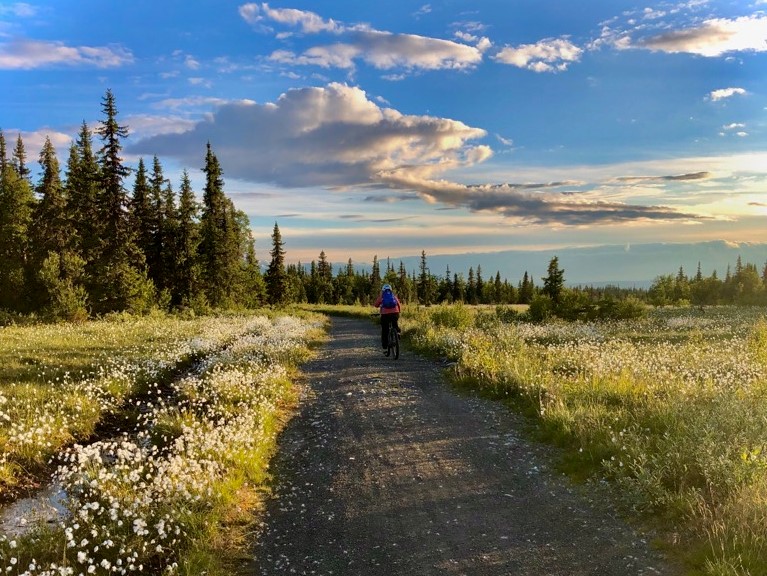
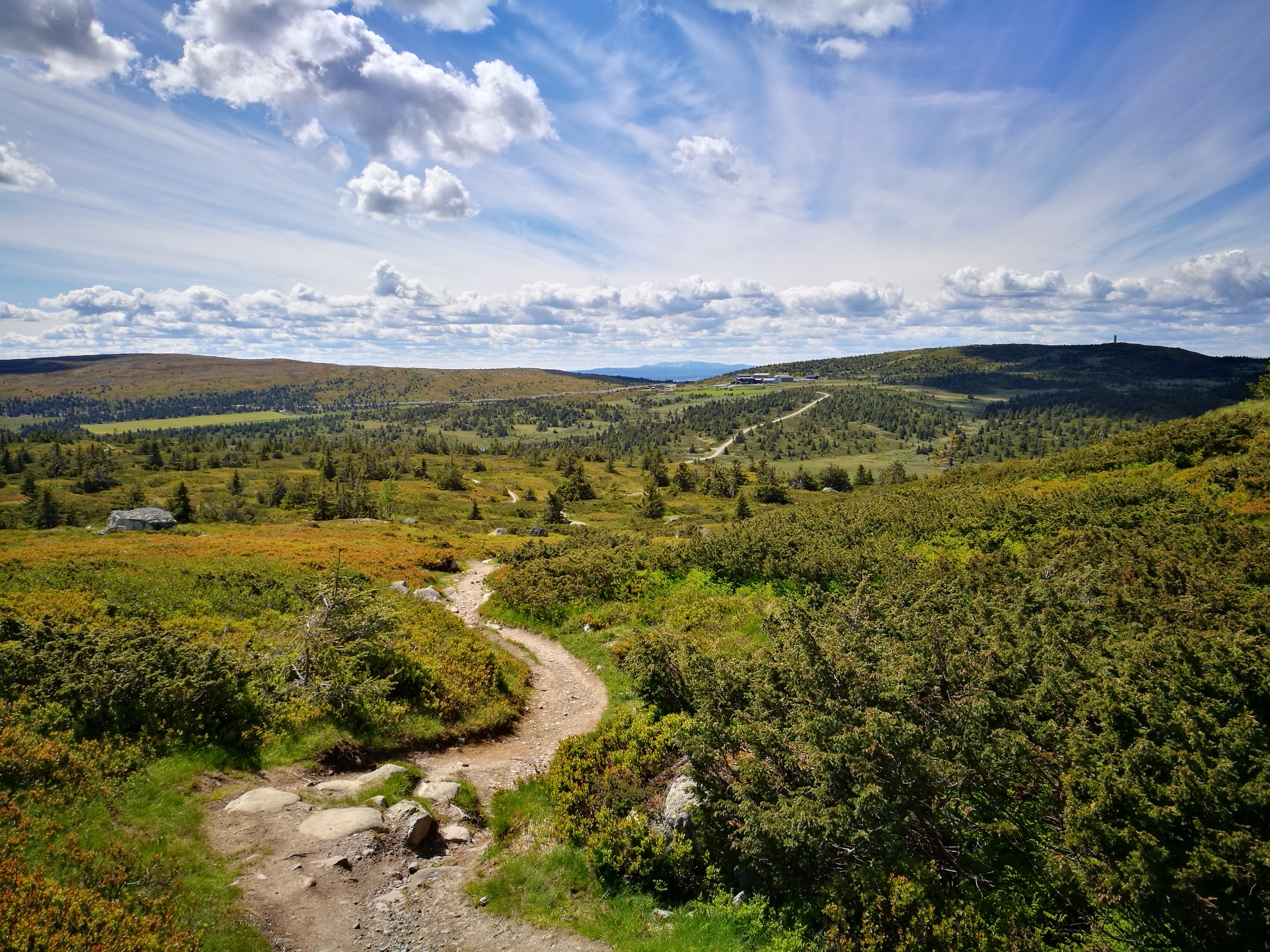
The Hitfjell Loop is designed for riders who enjoy technical trails, varied terrain and a few extra climbs along the way. The reward is spectacular viewpoints and long sections of flowing singletrack through the mountains.
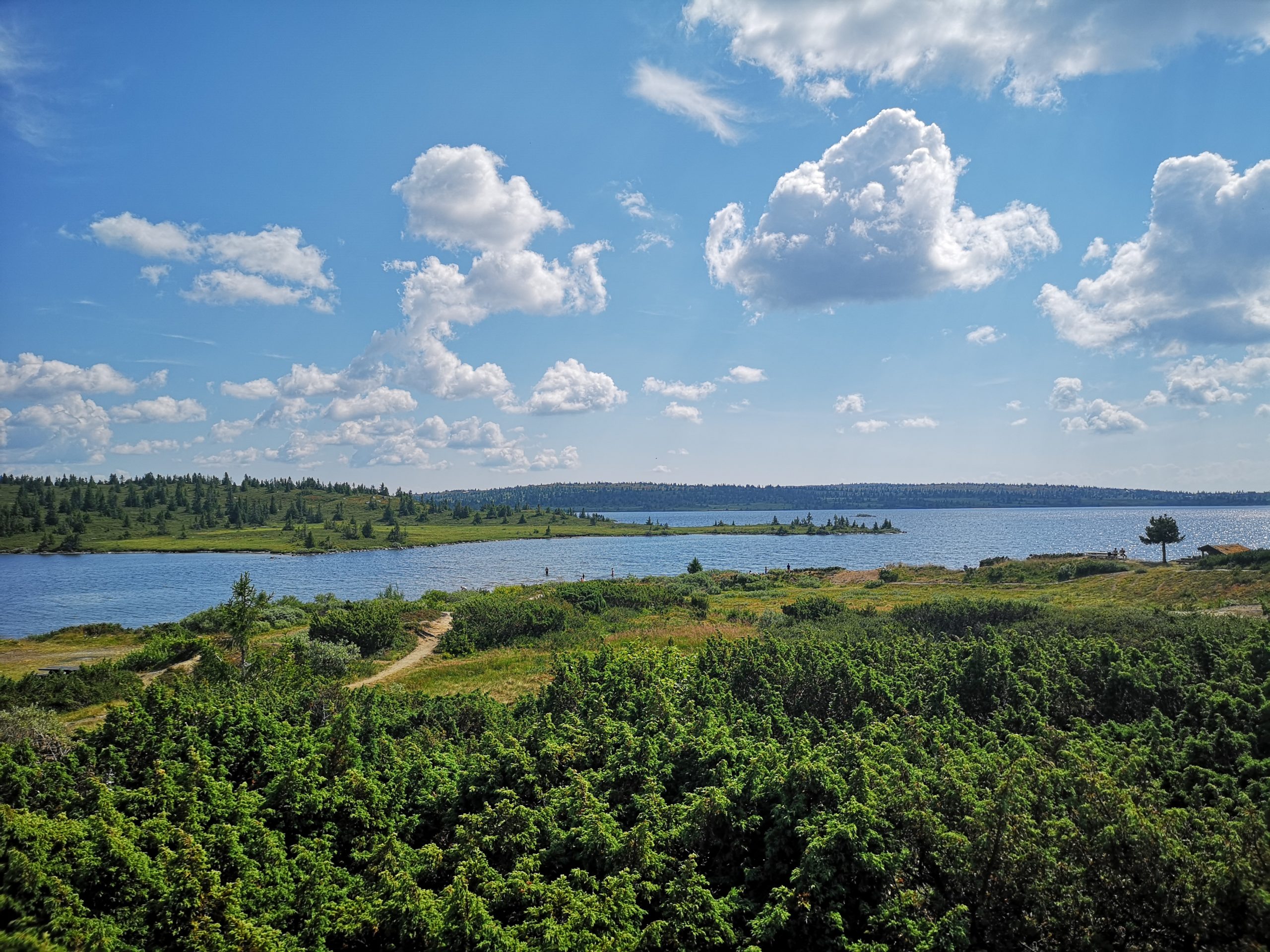
The route begins at Pellestova and follows the trail down towards Malmtjønn. Continue past the mountain shelter, cross the gravel road and follow the trail climbing towards Reinsfjell. The descent from Reinsfjell is one of the most challenging sections of the route, featuring rocky terrain and a number of steep sections.
From the base of Reinsfjell, continue along the trail towards Kriksfjell and Hitfjell. If you’re looking for an additional challenge, you can include a detour to the summit of Kriksfjell before continuing.
At Hitfjell, you’ll be rewarded with panoramic views across much of Øyerfjellet. From here, the route follows the Djupslia Trail, a fun and flowing descent that leads back towards Reinsfjell and Pellestova.
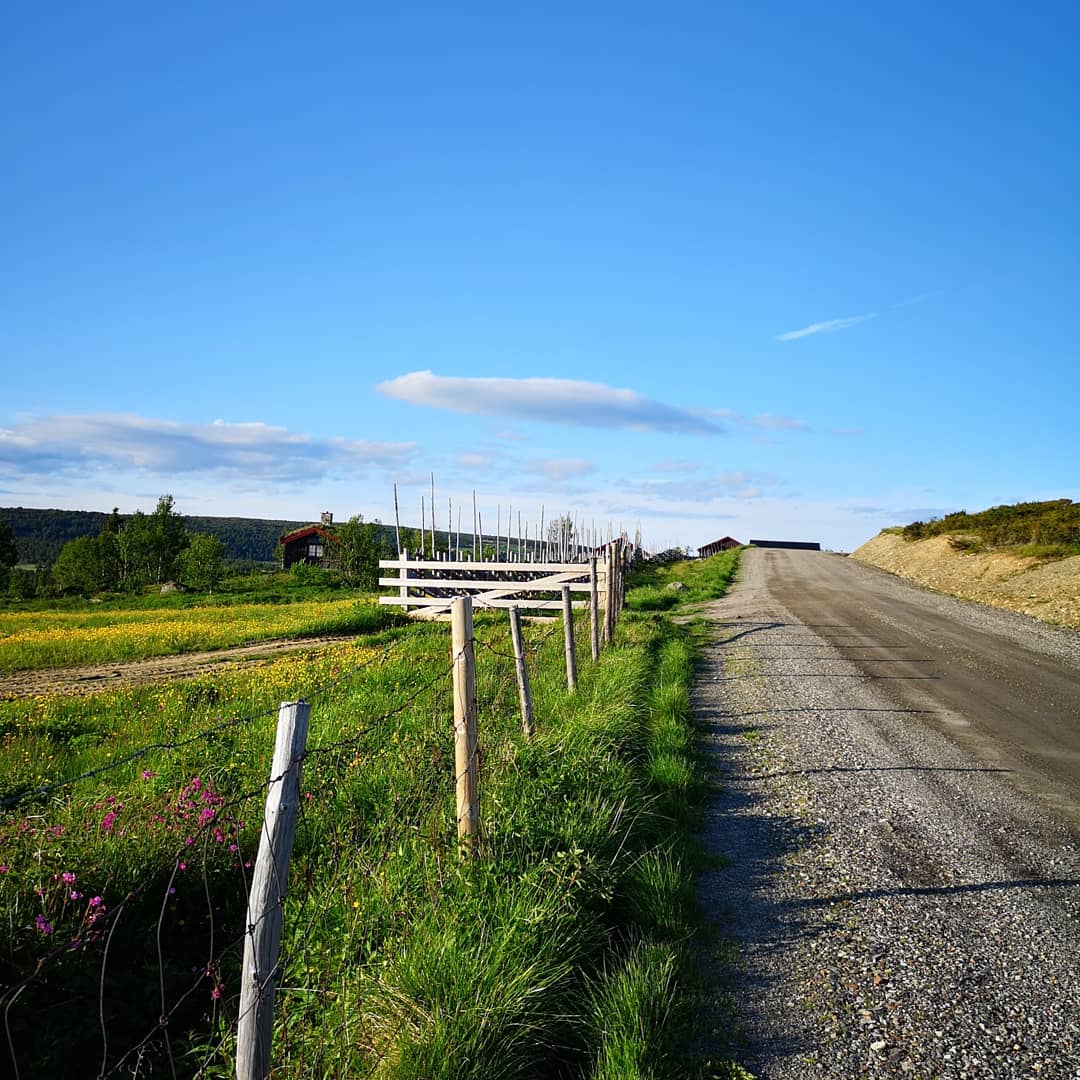
As you reach the gravel road, you can either follow the road back to Pellestova or take the trail past Malmtjønn for the final stretch.
Please note that the trails are shared with hikers, so be considerate and give way to other users along the route.
Technical climbs, flowing descents and mountain views at every turn – this is Hitfjell at its best.
Useful Information
We're Here to Help
If you have any questions or would like recommendations for other hiking routes, please don’t hesitate to ask. Our team is always happy to help and will do our best to keep you informed about current trail, weather and mountain conditions.
Want to see what the weather is like at Pellestova right now? Take a look at our live webcam:
Recommended Clothing & Equipment
Mountain weather can change quickly, so it is important to be prepared for conditions that may differ from those at the start of your hike.
We recommend dressing according to the three-layer principle, or at the very least carrying extra layers in your backpack. This approach helps you stay warm and comfortable while allowing you to adjust your clothing as temperatures and weather conditions change throughout the day.
The base layer should consist of wool or technical thermal underwear. The middle layer can be a fleece or down jacket for insulation, while the outer layer should be windproof and water-resistant to protect you from the elements.
If you are planning to stop for a break or enjoy a picnic outdoors, we also recommend bringing an insulated seat pad for extra comfort.
Forgotten Something for Your Hike?
Our mini outdoor shop, located next to reception, is stocked with useful essentials for a day in the mountains.
Need blister plasters, a water bottle or a pair of sunglasses?
Just stop by – we’re happy to help.